
Agricultural Lending · Oregon
Agricultural loans in Oregon for farms, ranches, and vineyards
Long-term financing for Oregon farmland, ranches, timberland, and wineries — structured around seasonal cash flow, commodity cycles, and the realities of working the land. Lumen Mortgage offers ag loans statewide with fixed-rate, seasonal, and operating-line options.
- Loans $500K – $25M+
- Long-term fixed, seasonal, and operating lines
- Row crops, ranches, orchards, vineyards, timber
- Underwriting built for ag cash flow
What is an agricultural loan in Oregon?
An agricultural loan is specialized financing for Oregon farms, ranches, vineyards, orchards, and timberland — underwritten using ag-specific cash flow (crops, livestock, timber contracts, grape sales) rather than standard residential income documentation. Terms are structured around seasonal harvests and commodity cycles, with fixed-rate options up to 30 years. Loans run $500,000 to $25,000,000+, financing goes up to 80% LTV, and the best pricing and terms typically come with 30% down or equity and strong credit (740+).
- Loan amounts from $500,000 to $25,000,000+
- Up to 80% LTV; best pricing and terms typically at 30% down or equity
- Long-term fixed rates, variable, and seasonal payment structures
- Eligible: row crops, orchards, vineyards, ranches, timber, agribusiness
- Operating lines of credit available for input costs and working capital
What is an agricultural loan?
An agricultural loan is a specialized form of real estate and operating financing designed for farms, ranches, orchards, vineyards, and timberland. Unlike a residential mortgage or a generic commercial loan, ag financing is underwritten around the way farms and ranches actually generate income — seasonal cash flow, commodity cycles, grazing leases, timber contracts, and crop sales — rather than W-2 paystubs or monthly rent rolls.
For Oregon producers, this distinction matters. Grass seed is harvested in late summer. Wine grapes come off the vine in September and October, with revenue landing six to eighteen months later when the wine ships. Cattle ranches carry years of depreciation and feed costs before a calf crop sells. A lender who doesn't understand these rhythms will either decline the loan or force you into payment terms that don't match your cash flow.
Lumen Mortgage structures ag loans that align with how your operation actually produces income. That means long-term fixed-rate options for land acquisition and refinance, seasonal payment schedules for crop producers, revolving operating lines for annual input costs, and specialty programs for wineries, equestrian facilities, and agribusiness processing.
We lend across the full range of Oregon agriculture: Willamette Valley grass seed and nurseries, Columbia Basin row crops, Southern Oregon pear and wine country, High Desert ranches, coastal dairies, and managed timberland across the Coast Range and Cascades.
How much would an agricultural loan payment be in Oregon?
Ag loan payments depend on three inputs: loan amount, interest rate, and amortization term. For long-term land loans, 20- to 30-year amortizations are common; for equipment and shorter-duration land, 10- to 15-year schedules are typical. Seasonal loans may defer principal to align with harvest.
Ag loan payment = (Loan amount × rate × term) amortized to monthly, quarterly, semi-annual, or annual payments.
Use our calculator below to model standard amortization on an Oregon farm, ranch, or vineyard loan.
Agricultural Loan Calculator
Includes ag-specific payment options
Down Payment
$1,250,000
LTV Ratio
44.44%
Annual Interest Rate · tap to edit
Ag Note: Standard schedule — best for operations with consistent monthly income.
Monthly Payment
$5,918.57
Annual Total
$71,023
Year 1 Interest
$58,465
Purchase Price
$2,250,000
Loan Amount
$1,000,000
Down Payment
$1,250,000
LTV
44.44%
Interest Rate
5.88%
Total Interest
$1,130,686
Estimates are for illustrative purposes only and do not constitute a loan commitment. Actual rates, terms, and payments are subject to credit approval and underwriting. Contact a Lumen Mortgage agricultural specialist for a personalized quote. NMLS #1498678.
How to read your results: Most Oregon farm and vineyard acquisitions use 25- or 30-year amortizations with a rate reset or balloon in year 5, 7, or 10. Seasonal producers — grass seed, grain, and some orchard operations — frequently convert to annual or semi-annual payment schedules that align with post-harvest revenue. If your cash flow pattern doesn't match standard monthly amortization, let us know and we'll structure the loan around the actual timing of your income.
Agricultural lending across Oregon's farm regions
Oregon has one of the most agriculturally diverse state economies in the country — grass seed, wine grapes, timber, dairies, orchards, nursery stock, cattle, and specialty crops — and each sub-region has its own financing dynamics. Lumen Mortgage lends across every major Oregon ag region.
Willamette Valley — grass seed, nurseries, and wine country
The Willamette Valley is one of the most productive agricultural regions in North America, anchored by grass seed (Oregon produces the majority of U.S. cool-season grass seed), nursery stock, hazelnuts, and wine grapes across the Dundee Hills, Eola-Amity, Chehalem Mountains, and McMinnville AVAs. Lumen structures loans for Willamette Valley farms using seasonal payment schedules that match ODA-certified grass seed harvest timing, vineyard grape-sales cycles, and winery tasting-room revenue. We also work regularly with multigenerational farms refinancing inherited ground or expanding into adjacent parcels.
Southern Oregon — pears, wine grapes, and livestock
The Rogue Valley and Applegate produce Oregon's pear crop, a growing share of the state's wine grapes (especially Tempranillo, Syrah, and Viognier), and support cattle and sheep operations across the foothills. Southern Oregon ag loans often involve mixed-use properties — working orchards with tasting rooms, ranches with hunting leases, or vineyard estates with event facilities. Our underwriting accounts for blended income streams rather than forcing a property into a single loan category.
Eastern Oregon, Columbia Basin, and High Desert ranches
From the wheat fields of the Columbia Basin and Umatilla County to the cattle country of Harney, Malheur, and Baker counties, Eastern Oregon ag operations are typically large-acreage and commodity-driven. Loan structures for this region often include operating lines for irrigation, equipment, and feed costs alongside long-term real estate debt on the underlying land. We also finance managed timberland across the Blue Mountains and Wallowa-Whitman region.
Explore our Oregon ag loan programs
Every Oregon farm, ranch, and vineyard is different — and so is the right loan. Here's a quick tour of the ag programs we structure most often. Tap any card to see program details, or view the full agricultural lending suite.

Farm purchase loans
Row crops, grass seed, nurseries, dairies, and orchards — underwritten around operational cash flow and harvest timing.
Learn more
Ranch & timberland
Working cattle ranches, hunting land, and managed timber across Eastern Oregon and the Coast Range.
Learn more
Wineries & vineyards
Willamette Valley, Rogue Valley, and Columbia Gorge AVAs — blended underwriting for grapes, wine, and tasting rooms.
Learn more
Operating lines of credit
Seasonal revolving facilities for seed, fertilizer, fuel, feed, and labor — draw when you plant, repay at harvest.
Learn more
Raw land loans
Secure Oregon farmland before it's developed or spoken for, with runway to plan and permit the operation you envision.
Learn more
Equestrian properties
Boarding barns, show facilities, and private equestrian estates across Oregon — treated as their own underwriting category.
Learn moreWhat do you need to qualify for an agricultural loan in Oregon?
Eligible property and use types
- Row crops, grass seed, grain, and specialty crops
- Orchards (pear, hazelnut, cherry, apple, stone fruit)
- Vineyards and wineries (Willamette Valley, Southern Oregon AVAs)
- Cattle ranches, sheep operations, and managed timberland
- Agribusiness, processing, and cold storage facilities
Cash flow and coverage
- Operational cash flow analysis — not personal DTI
- Blended-income underwriting for mixed-use properties
- Seasonal payment structures for harvest-timed revenue
- Debt service coverage driven by crop, livestock, or lease income
Borrower and credit requirements
- Individuals, family LLCs, trusts, partnerships, and S-corps accepted
- Multigenerational transition and buyout structures supported
- Best pricing with strong credit (740+) — compensating factors considered
- USDA, Farm Service Agency, and private-lender programs available
Loan terms and structure
- Loan amounts: $500,000 – $25,000,000+
- Down payment: from 20% (up to 80% LTV); best pricing and terms typically at 30% down or equity
- Amortizations up to 30 years on long-term land loans
- Fixed, variable, and seasonal payment options
- Operating lines of credit for input and working capital
Is an ag loan better than a conventional commercial real estate loan?
For working farms and ranches, usually yes — ag loans offer up to 30-year amortizations and harvest-timed payments that commercial loans don't. Agricultural loans differ from generic commercial real estate loans in underwriting philosophy, payment structure, and property eligibility. For Oregon producers, using the right product often matters more than the headline rate.
| Criterion | Agricultural loan | Conventional commercial loan |
|---|---|---|
| Underwriting basis | Operational cash flow, crop/livestock income | Rent rolls, NOI, personal DTI |
| Payment structure | Monthly, quarterly, semi-annual, or annual | Monthly only |
| Harvest-timed payments | Yes — align with crop cycles | No |
| Eligible properties | Farms, ranches, vineyards, timber, agribusiness | Income-producing commercial real estate |
| Amortization | Up to 30 years on land | Typically 20–25 years |
| Operating lines | Seasonal revolving available | Treated as separate product |
| Best for | Active Oregon farms and producers | Passive commercial real estate investors |
For Oregon producers refinancing existing operations or pulling equity for expansion, our commercial real estate refinance programs also apply to mixed-use ag properties. Looking at equestrian facilities specifically? See our equestrian loans page — we treat horse properties as their own underwriting category.
What Oregon clients say about Lumen Mortgage
"We were in a unique situation, being self-employed and having large acreage — we were having difficulties with other lenders. David with Lumen Mortgage provided amazing solutions for our complex situation. The whole process was quick and easy. He helped us complete our refinance utilizing a bank statement loan for large acreage. Night and day difference working with David vs. other lenders. Highly recommend and look forward to doing business again."
"David and his team over at Lumen did a fantastic job at helping us secure a loan for our ranch in a very tight timeframe. Their customer service was unmatched, and we feel so grateful to have worked with them! Thank you David and team!"
Verified Google reviews from Oregon clients.
Frequently asked questions — agricultural loans in Oregon
How do agricultural loans work for Oregon farms and ranches?
An Oregon ag loan is underwritten around the operational cash flow of the farm, ranch, or vineyard — not personal W-2 income or standard commercial rent rolls. Lenders evaluate crop yields, livestock inventory, timber contracts, grazing or equipment leases, and (for wineries) tasting-room and wine-club revenue. Payment structures can be monthly, quarterly, semi-annual, or tied to harvest — whichever matches the actual cash-flow pattern of the operation. Amortizations on long-term land loans can run up to 30 years, with rate resets or balloons typically at year 5, 7, or 10.
What types of Oregon agricultural properties can I finance?
We finance the full range of Oregon ag properties: row crops and grass seed in the Willamette Valley, pears and orchards in the Rogue Valley, vineyards and wineries across all Oregon AVAs, cattle and sheep ranches in Eastern Oregon and the High Desert, managed timberland in the Coast Range and Blue Mountains, nursery stock operations, dairies, and mixed-use properties. We also structure loans for agribusiness and processing facilities — cold storage, grain elevators, and vertically integrated producers.
Can I get a seasonal payment schedule on an Oregon farm loan?
Yes. Seasonal payment schedules are one of the most important features of ag lending. For grass seed, grain, and some orchard operations, we structure loans with annual or semi-annual payments timed to post-harvest revenue. Vineyards and wineries often use quarterly payments to align with tasting-room and wine-club cycles. Cattle operations may use annual payments tied to calf-sale timing. The goal is that your loan payment falls when your income falls — not during the months you're spending on inputs.
Do Oregon agricultural loans require tax returns?
Most programs do review two to three years of farm or business tax returns to establish historical cash flow and operational trend. However, underwriting weight is placed on the operation itself — yields, contracts, leases, and land productivity — rather than personal DTI ratios. For family operations in transition, we also look at intergenerational continuity of the operation, which conventional lenders often discount.
What's the difference between an Oregon ag loan and a USDA Farm Service Agency loan?
USDA Farm Service Agency (FSA) loans are government-backed programs with subsidized rates, eligibility limits (loan size caps, beginning-farmer provisions, and farm-income percentage requirements), and longer underwriting timelines. They're excellent for beginning farmers and operations that fit FSA parameters. Private ag lending — which is what most Lumen borrowers use — has higher loan limits, faster closings, more flexible structures, and no eligibility caps, at market rates. Many Oregon producers use both strategically: FSA for smaller, subsidy-eligible pieces and private financing for the larger real estate acquisition.
Can I use an agricultural loan to buy a vineyard or winery in Oregon?
Yes. Vineyard and winery financing is one of our core Oregon ag specialties, covering Willamette Valley AVAs (Dundee Hills, Eola-Amity, McMinnville, Chehalem, Ribbon Ridge, Van Duzer Corridor, Yamhill-Carlton), Southern Oregon (Rogue Valley, Applegate, Umpqua), and Columbia Gorge. Underwriting blends grape-contract revenue, wine-sales income, tasting-room and wine-club cash flow, and real estate appreciation. For full context on financing Oregon wine country, see our blog on Jacksonville and Southern Oregon wine country financing.
Are operating lines of credit available for Oregon farms?
Yes. Operating lines of credit are revolving facilities used to fund input costs — seed, fertilizer, fuel, feed, labor — that get repaid from crop or livestock revenue. Our typical ag operating lines run $500,000 to $2,000,000, sized to the annual input budget of the operation, with draws timed to planting and repayment timed to harvest. Many Oregon producers run an operating line alongside a long-term real estate loan — two separate facilities that together match the actual rhythm of the farm.
Can I refinance an existing Oregon farm loan to pull equity for expansion?
Yes. Agricultural cash-out refinance is a common use case — pulling equity from appreciated farmland to fund an adjacent land purchase, equipment upgrade, or intergenerational buyout. Oregon farmland values have appreciated significantly over the past decade in most regions, which has created meaningful refinance opportunity for longtime operators. We underwrite the cash-out against current appraised value and the operation's ability to service the new debt.
How much do I need to put down on an agricultural loan in Oregon?
Agricultural loans go up to 80% loan-to-value (20% down), but the best pricing and terms typically require 30% down or equity. Raw land, which has no operating income yet, typically requires 30–40% down because it has no operating income yet. Existing owners can also access equity through an ag equity line at up to 65–70% LTV.
What credit score do I need for an ag loan in Oregon?
Agricultural loans are underwritten primarily on the operation's cash flow, land value, and collateral. The best pricing goes to borrowers with strong credit (740+), and compensating factors such as low leverage, strong reserves, or a long operating history are considered.
How much can I borrow with an agricultural loan in Oregon?
Agricultural real estate loans run from $500,000 to $25,000,000+, with amortizations up to 30 years. Operating lines of credit typically run $500,000 to $2,000,000, and ag equity lines for existing owners start at $250,000.
What insurance and property taxes should I budget for on a Oregon farm?
Lenders require replacement-cost coverage on the home and farm buildings, usually through a farm and ranch package policy, and property taxes kept current, often through an impound account. Livestock, equipment and crop coverage aren't escrowed. See our guide to farm and ranch insurance, property taxes and escrow and the Escrow & Impound Calculator.
Further reading on agricultural loans
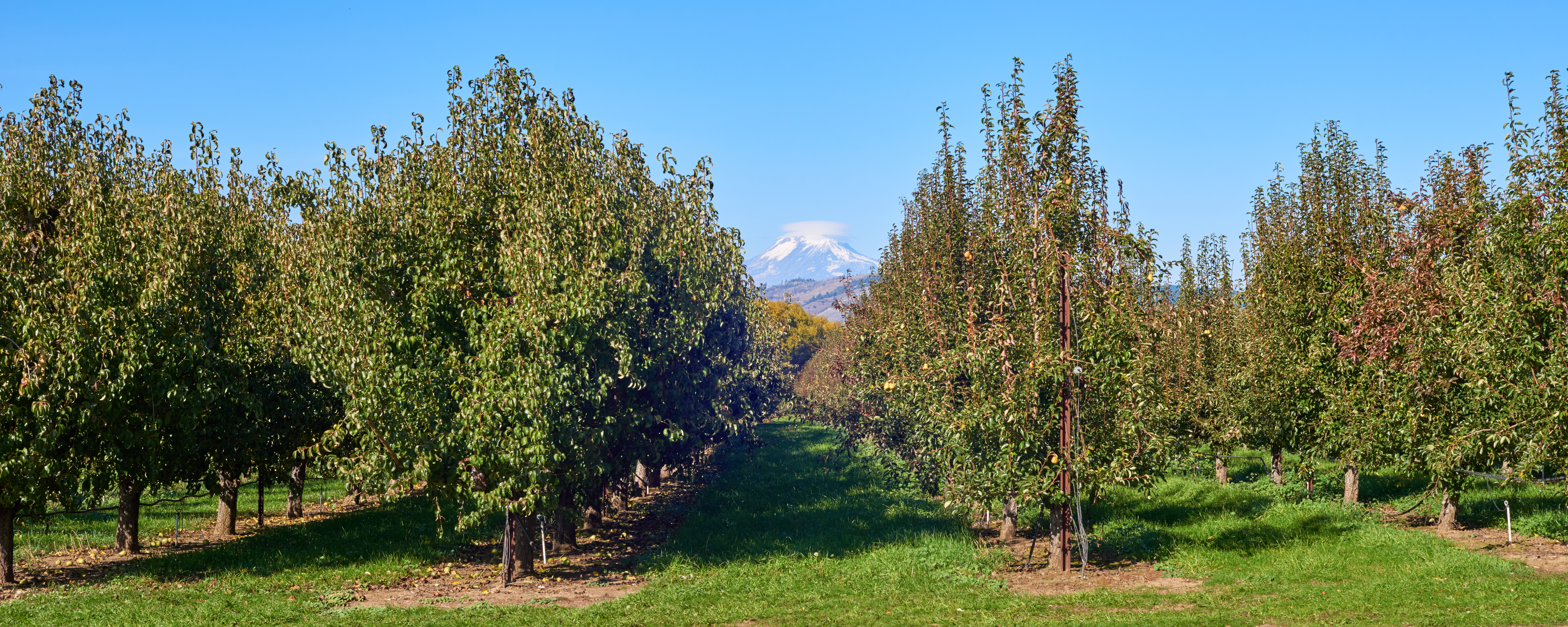
Breaking the Refinance Cycle: A 30-Year Fixed Ag Loan for a Hood River Orchard
A real case study: a Hood River orchardist tired of his bank's variable rates, balloons and prepayment penalties refinanced a $1.65M farm loan into a true 30-year fixed ag loan, took out $250,000 for working capital and improvements, and closed in 5 weeks.
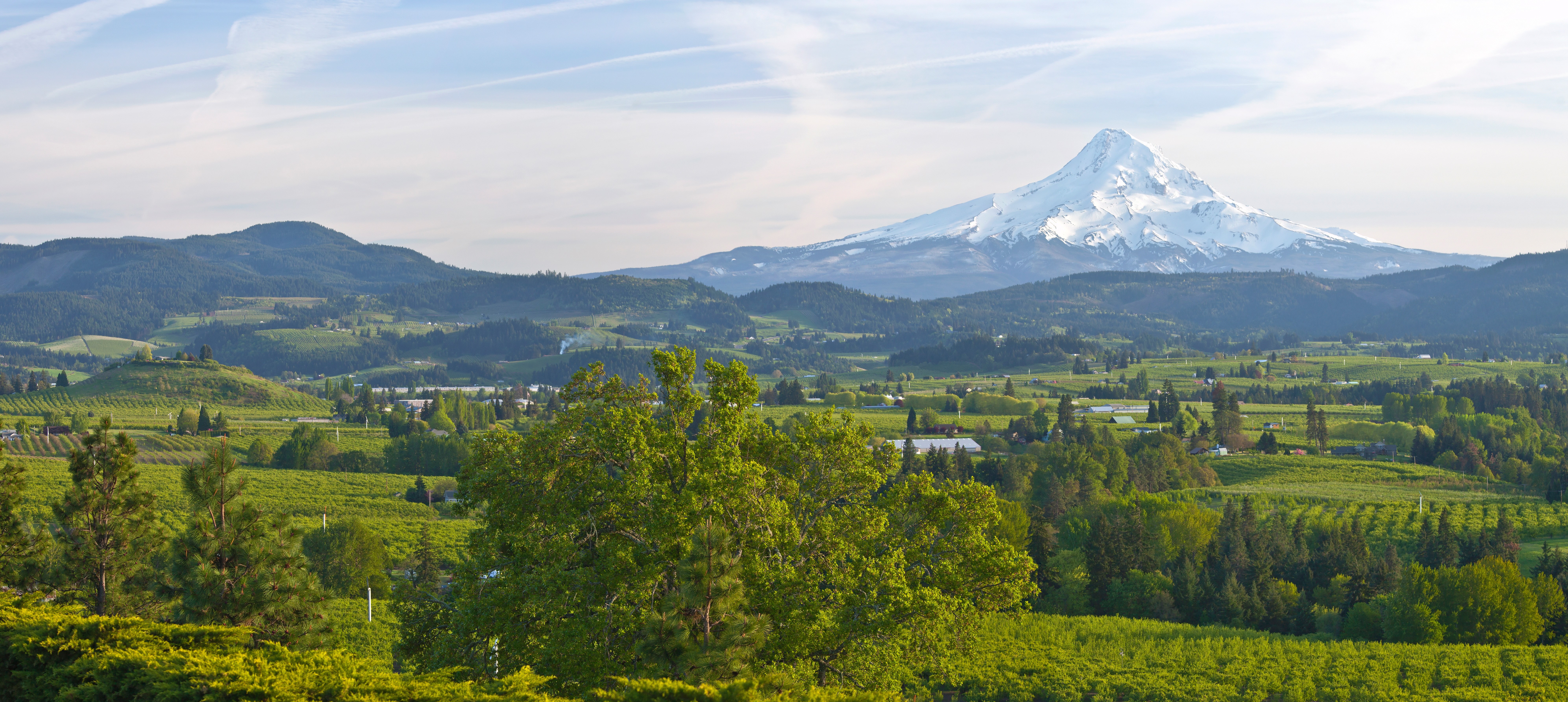
How Agricultural Loans Work in Oregon: Income, Appraisals & Requirements
A plain-English guide to how farm and ranch financing is underwritten in Oregon — how ag income is evaluated, why appraisals are structured differently, and what to expect on down payment and documentation.

Why Oregon & California Farmers Are Choosing Fixed Rate Agricultural Loans — And Never Looking Back
Rate volatility, endless paperwork, and prepayment penalties have long made commercial ag financing feel more like a burden than a tool. Lumen Mortgage’s fixed rate agricultural loans eliminate all three — giving farmers and ranchers a predictable payment, a clean qualification process, and the freedom to refinance whenever the market moves in their favor.
Ready to talk to an Oregon loan officer?
We'll walk you through the numbers, explain your options, and let you decide — no pressure, no sales pitch.