Why would a bank deny a jumbo loan on a 10-acre horse property?
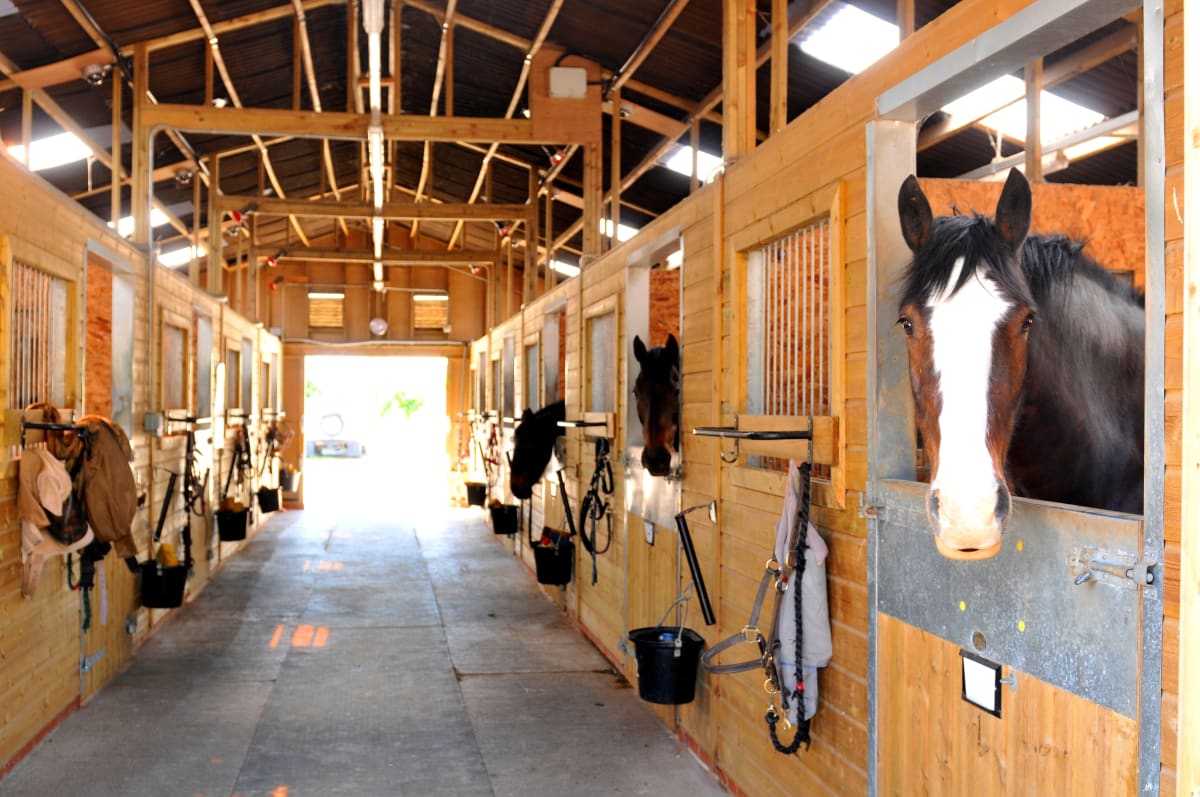
Because ag zoning, stables, an indoor riding arena, and multiple outbuildings fall outside standard jumbo guidelines, even on just over 10 acres. In this case study, buyers were turned down by their bank on a Templeton equestrian estate priced just under $3 million. We preflighted the property, had our collateral underwriting team confirm it fit our hobby farm loan, and closed a portfolio 7/1 ARM at 70% loan-to-value with 40-year amortization and no prepayment penalty.
Best for: Buyers of horse properties, hobby farms, and acreage estates in Paso Robles and San Luis Obispo County
You wouldn't think a jumbo loan on just over 10 acres would be hard to get. But ag zoning, stables, an indoor riding arena, and numerous outbuildings were too unusual for our new clients' bank, and it turned them down on their dream equestrian estate in Templeton, just south of Paso Robles. Luckily, their real estate agent had done some research and connected them with us before they gave up on the home.
Why the Bank Said No
Standard jumbo loans are built for standard homes. When a property has agricultural zoning, stables, an indoor riding arena, and several outbuildings, a lot of the value sits in features that typical jumbo guidelines and appraisals don't know how to handle. The acreage wasn't the problem. The property simply didn't fit the box. That's common with equestrian properties. Trying to force an unusual property into the wrong underwriting box can be maddening, and it often ends in a late-stage denial.
Preflighting the Property First
Before we asked them to do anything else, we preflighted the property. We reviewed the zoning, the improvements, and how the property would be valued, and we had our collateral underwriting department review it to make sure it was a good fit for our hobby farm loan. It was. Knowing the property worked up front meant no surprises at appraisal and no second denial.
The Loan: Portfolio 7/1 ARM at 70% LTV
The purchase price was just under $3 million. With a solid down payment, the loan-to-value was just 70%, which was a perfect fit for our 7/1 ARM. It's a portfolio loan that allows hobby farms, acreage, and all the equestrian and agricultural features this property had. Qualifying was based on their primary income from remote work in finance. Their plans for the property, a small horse boarding and training business, are future income, not something the loan relied on. To see what a loan this size looks like, try our jumbo loan calculator, or read about our California jumbo loans.
40-Year Amortization With No Prepayment Penalty
To keep payments comfortable while they settle in and get the business going, they chose 40-year amortization. A longer amortization lowers the required monthly payment. Because the loan has no prepayment penalty, they can pay extra toward principal whenever they want. Their plan is to accelerate principal payments as soon as the boarding and training business starts generating more income, so they get a lower payment now and the option to pay it down faster later.
The Right Loan for an Unusual Property
This was a great success and a perfect example of what we do. Instead of guessing, we work proactively: preflight the property, then help our clients identify the right loan product to make it happen. If your bank turned you down on a horse property, a hobby farm, or acreage, don't give up on the home. See our Paso Robles mortgage guide, learn how to finance a horse property, or email us the listing for a preflight review.
Model Your Hobby Farm Loan
Hobby Farm Loan Calculator
On a hobby farm, the down payment isn't one number. It depends on loan size, whether it's your primary home or a second home, and how many acres come with it. Knowing your maximum loan before you write an offer tells you how much cash the property really takes.
The hobby farm calculator applies the program LTV matrix to your credit, loan size, occupancy and acreage, shows which limit sets your maximum loan, and estimates payments on 3/1, 5/1 and 7/1 ARMs or a 30-year fixed, with 40-year amortization available on primary residences.
Minimum down
See the lowest down payment that fits the matrix, starting at 20% and rising with loan size and acreage.
Acreage and occupancy
10–20 acres caps LTV at 75% and 20+ acres at 70%. Second homes step down faster above $1.5M.
30 vs. 40-year amortization
Compare payments on each ARM and the 30-year fixed, with 40-year amortization on primary homes.
Free · No login · No credit pull required
Frequently Asked Questions
Why do banks deny loans on equestrian properties?
What is a property preflight?
Can I get a 7/1 ARM on a hobby farm or horse property?
What does 40-year amortization do to my payment?
Can future horse boarding income help me qualify?
Looking for Ag Financing?
Farm purchase, ranch, raw land, operating lines, and specialty crop loans — structured around how your operation actually works.
Bottom Line
A denial from one lender doesn't mean a property can't be financed. It usually means it was in the wrong underwriting box. For this Templeton equestrian estate, a property preflight, a collateral review, and a portfolio hobby farm 7/1 ARM with 40-year amortization turned a bank denial into a closed loan.