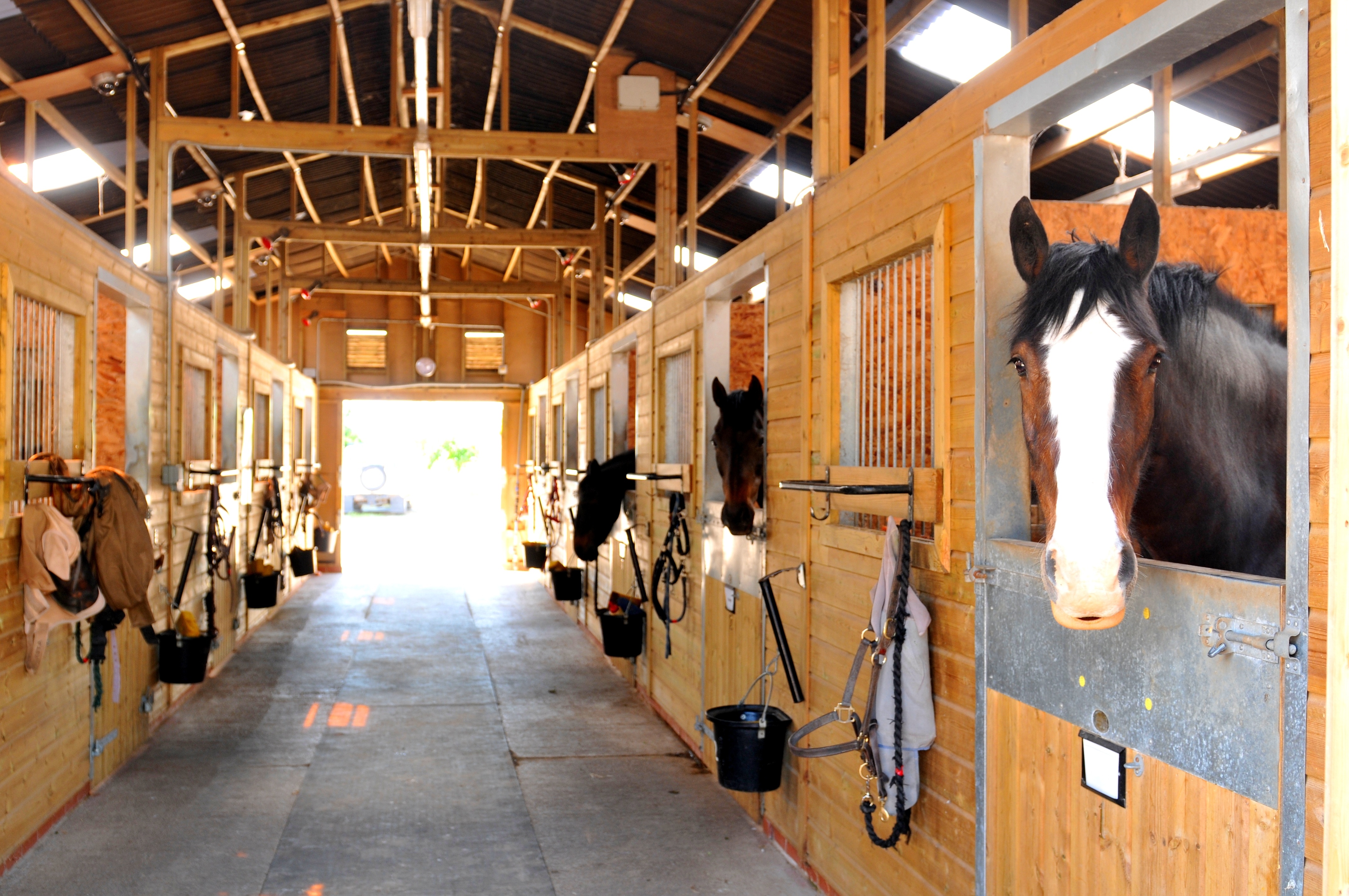
Bank Won't Finance a Property with Acreage, Barns or Horses? What to Do Next
When a bank won't finance acreage, barns or a horse property, the problem is usually the property, not you. Standard mortgage guidelines are built for typical homes, so ag zoning, large acreage, arenas, stables and outbuildings can fall outside the box even when your credit and down payment are strong. First find out exactly what the bank objected to. A loan built for rural property, such as a hobby farm or equestrian loan, may finance it as-is. Ask a lender to review the property before you order an appraisal.
Key Facts
Why Banks Say No to Acreage and Horse Properties
Most banks and credit unions sell their mortgages or follow guidelines written for typical suburban homes. Rural properties break those rules in predictable ways: the land is worth too much compared with the house, the zoning is agricultural, the property has stables, an arena or several outbuildings, or there aren't enough similar sales nearby for the appraisal. Any of these can make a property look like a farm business instead of a home, and the answer comes back no, even for buyers with excellent credit and a large down payment.
Which Denials a Hobby Farm Loan Can Fix, and Which It Can't
Too much acreage: usually fixable. Our hobby farm loan has no acreage limit. Ag zoning: usually fixable when the property is primarily your home. Barns, stables, arenas and outbuildings: usually fixable. These are what equestrian and hobby farm loans are built for. Multiple parcels: often fixable with one loan, depending on the property. You need the farm's income to qualify: a hobby farm loan won't count ag income, so a working farm loan is the better fit. Credit or income problems: a property-focused program won't fix these. See denied a mortgage while self-employed if income was the issue. Want the full program details? See how to finance a horse property.
What to Ask the Lender That Turned You Down
1. Was it the property or me? Ask for the specific reason in writing. 2. Which feature was the problem? Acreage, zoning, outbuildings, comparable sales or the appraisal value. 3. Is there a maximum acreage or outbuilding rule? This tells you whether a different program solves it. 4. Did the appraisal come in, or was the file declined before one was ordered? If an appraisal was done, ask for a copy. You paid for it.
Why the Property Should Be Reviewed Before the Appraisal
With rural property, most surprises come from the collateral, not the borrower. That's why our collateral underwriting team reviews the acreage, zoning and improvements up front and confirms the property fits the program before an appraisal is ordered. It saves you from paying for an appraisal on a loan that can't close, and it protects your contract timeline.
Deals We Closed After a Bank Said No
Templeton, Paso Robles area: buyers were turned down by their bank on an equestrian estate priced just under $3 million, with just over 10 acres, ag zoning, stables, an indoor arena and outbuildings. We confirmed the property fit our hobby farm loan and closed a 7/1 ARM at 70% loan-to-value with 40-year amortization and no prepayment penalty. Read the Paso Robles case study. Santa Ynez Valley: a family financed 20 acres across three parcels, with barns, paddocks and stables, using one loan and one appraisal, and closed in 30 days. Read the Santa Ynez case study.
What to Do This Week
1. Get the denial reason in writing. 2. Gather the property details: the listing, acreage, zoning, and a list of barns, arenas and outbuildings. 3. Estimate your payment with our hobby farm loan calculator. 4. Ask for a property review before you order an appraisal or extend your contract. Call 503-966-9255. Facing a different roadblock? See when the bank says no.
Realtor Referral
Buying rural property?
Acreage and horse properties need an agent who knows wells, septic, zoning and outbuildings. We can introduce you to Oregon and California agents who sell rural property every month.
No directory. No paid placements. No RESPA-restricted referral fees. We've worked alongside these pros on real Oregon and California deals — we'll make a personal email introduction so you can interview them yourself.
Or email us directly:
Licensed in Oregon & California · NMLS #1498678
From the Blog
Further Reading
 Equestrian
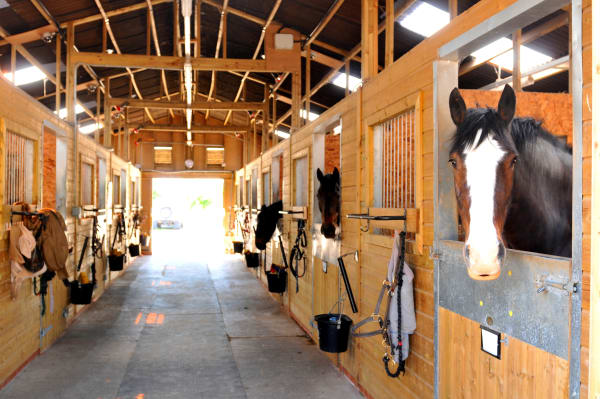
Turned Down by Their Bank: How We Financed a Nearly $3M Templeton Equestrian Estate
A real case study: buyers were turned down by their bank on a 10-acre Templeton equestrian estate near Paso Robles with ag zoning, stables, an indoor arena, and outbuildings. We preflighted the property, confirmed it fit our hobby farm loan, and closed with a 7/1 ARM at 70% LTV on a 40-year amortization.
 Equestrian
A Home for the Parents, a Barn for the Trainer: Financing a 20-Acre Santa Ynez Horse Property
A real case study: a family bought a 20-acre Santa Ynez Valley horse property across three parcels, with barns, paddocks and stables, so the parents could live there and their daughter, a horse trainer, could grow her training and boarding business. A hobby farm loan with a low LTV covered the jumbo loan amount with no ag income needed, one appraisal and a 30-day close.
 Investment
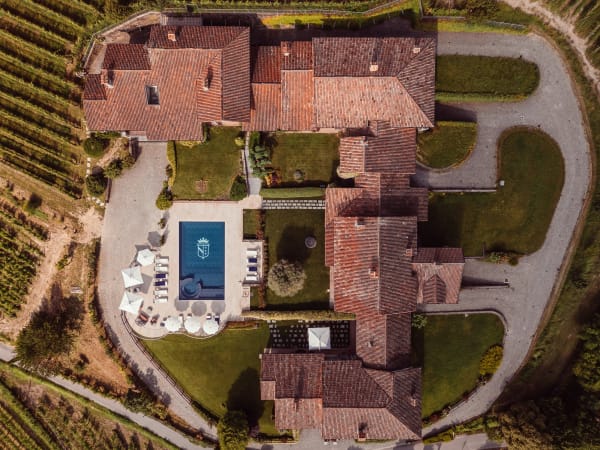
Turned Down for a Jumbo Loan Because of the Acreage — How We Rescued a Multimillion-Dollar Investment Property Refinance and Funded the Next Purchase
Another lender denied a real-estate investor's jumbo refinance because the property had too much acreage. We cleared the acreage up front — before ordering the appraisal — qualified the loan on the property's rent alone (no tax returns, no employment verification), paid off her existing loan, returned roughly half a million dollars in cash-out proceeds, and structured it as a 40-year fixed with the first 10 years interest-only so she could go buy her next property. Here's how, and why our jumbo lineup fits investors and high-net-worth borrowers other lenders can't.