What Is an Agricultural Loan?
An agricultural loan is a mortgage specifically designed to finance farm, ranch, timberland, and other agricultural properties. Unlike residential mortgages, ag loans are underwritten against farm income (Schedule F with depreciation add-backs), require 25–35% down payments, use specialized agricultural appraisers, and can be structured with seasonal payment schedules aligned to harvest cycles. Lumen Mortgage offers ag loans from $250,000 to over $10 million through Farmer Mac-approved programs with fixed-rate terms up to 30 years.
Key Facts
How Agricultural Loans Differ from Residential Mortgages
Agricultural loans finance properties whose primary purpose is farming, ranching, or timber production — not housing. The underwriting reflects this: instead of W-2 income and a standard appraisal, ag lenders evaluate farm income from Schedule F tax returns (adding back non-cash expenses like depreciation), global cash flow across the entire operation, commodity contracts and crop insurance, and the productive capacity of the land itself. Down payments are higher (25–35% vs. 3–5% residential), appraisals require agricultural specialists who understand water rights, soil classification, and comparable farm sales, and timelines are longer due to the complexity of the collateral evaluation.
Types of Agricultural Properties Financed
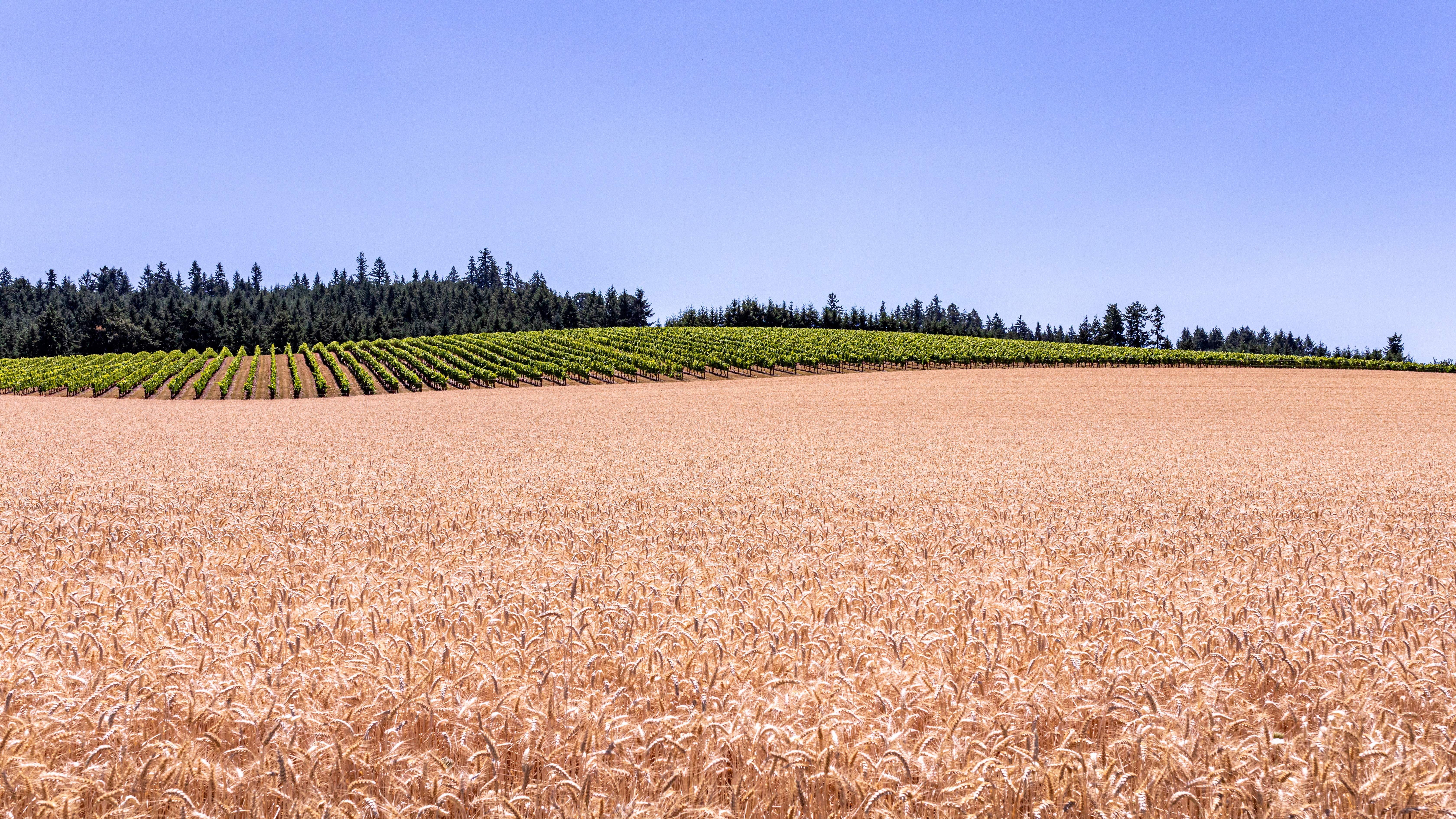
Agricultural loans cover a wide range of property types: row crop and grain farms, cattle and livestock ranches, orchards and vineyards, timberland and managed forest, raw agricultural land, equestrian properties with agricultural use, and agribusiness processing facilities. The property classification determines which programs apply, how the appraisal is structured, and what income documentation is required. Properties that blend residential and agricultural use — a farmhouse on a working ranch, for example — can often be underwritten as a single agricultural asset rather than splitting into residential and commercial components.
Income Qualification and Schedule F
Farm income is inherently volatile — a drought year, a commodity price swing, or a crop failure can dramatically affect revenue. Agricultural lenders account for this by averaging 2–3 years of Schedule F income, adding back depreciation and other non-cash deductions, evaluating commodity contracts and crop insurance as stable income sources, and considering off-farm income alongside agricultural revenue. For beginning farmers without a long Schedule F history, some programs evaluate projected income alongside the borrower's overall financial position, education, and farming experience.
Water Rights, Zoning, and State-Specific Factors
In states like Oregon and California, agricultural loans carry additional complexity. Water rights — whether surface or groundwater — are a core component of land value and must be verified during underwriting. Oregon's Exclusive Farm Use (EFU) zoning restricts non-agricultural development, which stabilizes land values but limits exit strategies. California's SGMA groundwater regulations may reduce pumping allocations on irrigated land. And Proposition 13 reassessment on property transfer can increase annual taxes 5–6x. These state-specific factors directly affect collateral valuation and debt service capacity.
CPA / Tax Pro Referral
Ag tax planning is a different sport.
Schedule F characterization, Section 179, conservation easements, capitalized vine/orchard establishment costs — ag CPAs save their clients more in a single tax year than they cost in five. We can introduce you to OR/CA ag-focused CPAs who handle vineyards, ranches, orchards, and hobby-farm operations.
No directory. No paid placements. No RESPA-restricted referral fees. We've worked alongside these pros on real Oregon and California deals — we'll make a personal email introduction so you can interview them yourself.
Or email us directly:
Licensed in Oregon & California · NMLS #1498678
From the Blog
Further Reading
 Agricultural
How Agricultural Loans Work in Oregon: Income, Appraisals & Requirements
A plain-English guide to how farm and ranch financing is underwritten in Oregon — how ag income is evaluated, why appraisals are structured differently, and what to expect on down payment and documentation.
 Agricultural
Agricultural Lending in Oregon and California: Water Rights, Land Use Laws, SGMA, and the Underwriting Complexities That Make These States Different
Oregon and California are two of the most productive agricultural states in the country — and two of the most complicated to lend in. Water rights, EFU zoning, SGMA groundwater restrictions, Prop 13 reassessment risk, specialty crop volatility, and strict environmental regulations all create underwriting layers that do not exist in the Midwest or Great Plains. Here is what ag borrowers and lenders need to know.
 Agricultural
Why Oregon & California Farmers Are Choosing Fixed Rate Agricultural Loans — And Never Looking Back
Rate volatility, endless paperwork, and prepayment penalties have long made commercial ag financing feel more like a burden than a tool. Lumen Mortgage's fixed rate agricultural loans eliminate all three — giving farmers and ranchers a predictable payment, a clean qualification process, and the freedom to refinance whenever the market moves in their favor.