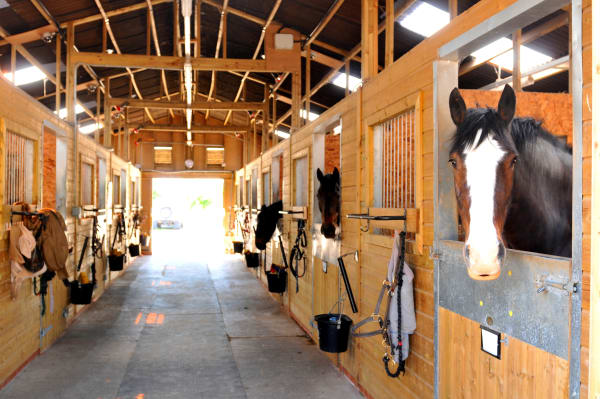
How do you finance a horse property in Lane County, Oregon?
Financing a Lane County horse property depends on three things: the size of the parcel, whether the equestrian use generates income, and how the property is zoned. Pleasure-use hobby farms with a residence and modest acreage can typically be financed as a primary-residence mortgage at near-residential rates. Properties with documented boarding, training, or breeding income shift into agricultural or commercial financing with different qualification rules and down payment expectations. Working with a lender and a realtor who specialize in equestrian transactions in the Eugene-Springfield-Pleasant Hill corridor is the difference between a 30-day close and a deal that falls apart in underwriting.
Best for: Buyers purchasing a hobby farm, working barn, or equestrian estate in Lane County who need a financing strategy matched to occupancy and use — and a realtor who actually understands horse property fundamentals.
Lane County, Oregon sits at the meeting point of the southern Willamette Valley and the Cascade foothills — and the equestrian properties scattered across it reflect that geography. A 5-acre hobby farm in Pleasant Hill with a hand-built barn and a sand arena lives in a different financing universe than a 60-acre breeding and boarding operation in Coburg, even though both are 'horse properties' at a glance. The difference matters because the loan you can qualify for, the rate you'll be offered, the appraisal pathway, and even whether the deal can close at all all depend on how the property's intended occupancy and use line up with what each loan program is designed to finance. Get that match wrong and a deal that should have closed in 30 days falls apart in underwriting; get it right and you can close on a true horse property with a primary-residence rate and terms most buyers don't realize are available. This guide walks through the equestrian property archetypes you'll actually encounter in Lane County, how to map your intended use to the financing program that fits, and why the realtor sitting on the buy side is just as load-bearing as the lender on a transaction this complex. If you'd like an introduction to one of the equine-specialist agents in our Eugene-Springfield referral network, we cover that at the end.
The Lane County Equestrian Landscape: Submarkets and Their Property Personalities
Lane County's equestrian inventory is not uniformly distributed. Each submarket has a distinct character that buyers and lenders need to recognize early in the search: Coburg & North Eugene Fringe. Some of the most established horse-property real estate in the county sits in and around Coburg — generous acreage, mature pasture, irrigation rights tied to the McKenzie and Willamette systems, and a high concentration of breeding, boarding, and training operations. Properties here often combine a primary residence with substantial equine infrastructure: covered arenas, multi-stall barns, hot walkers, foaling stalls, and dedicated hay storage. Because the agricultural infrastructure is meaningful, these are the properties most likely to require a true agricultural loan rather than a residential mortgage with horse amenities. Pleasant Hill, Goshen, and the Hwy 58 Corridor. Mid-acreage hobby farms (5-20 acres) dominate this stretch — strong residential character, manicured pastures, smaller barns and run-in sheds, and arenas that lean recreational rather than commercial. The mix of riders here is heavy on adult amateur and youth show riders, with a meaningful population of retirees stepping down from larger operations elsewhere. These are classic hobby-farm-loan candidates and frequently qualify for conventional residential financing when the primary use stays residential. Creswell, Cottage Grove, and the South Valley. Larger acreage at lower price points relative to the Eugene metro, with a wider mix of property condition and improvement quality. Working ranches, retired hay-and-cattle operations being repurposed for horses, and multi-generational family farms appear regularly here. Loan fit varies widely — some properties are clean conventional, others land squarely in agricultural underwriting. Veneta, Crow, and the West Lane Foothills. Forested acreage, rolling pasture, and a lifestyle bias toward trail riding rather than arena disciplines. Properties tend to combine equestrian use with timber or mixed agricultural value, which can complicate appraisal but also widens the financing options when treated correctly. Junction City, Harrisburg, and the North Valley. Flat, productive farm ground with strong irrigation infrastructure — many horse properties here are cohabiting with active grass seed, hay, or row-crop operations. The agricultural character of the surrounding inventory makes these properties more naturally suited to agricultural loan programs even when the buyer is looking for a primarily-residential experience. Marcola, Walterville, and the McKenzie Corridor. Smaller-acreage estates with strong scenic value, often tucked into wooded hillsides above the river. The terrain limits arena footprint but supports trail-riding-oriented properties. Residential character usually dominates and conventional or hobby-farm loans typically fit. Knowing which submarket you're shopping in is the first step in mapping your intended use to a financing program — Coburg-scale infrastructure on a Pleasant-Hill-scale loan won't qualify, and a Veneta-corridor trail-riding parcel financed as an agricultural property may saddle you with rates and terms more aggressive than your use case warrants.
The Five Equestrian Property Archetypes (and What Each Means for Financing)
Across the country and within Lane County specifically, equestrian properties fall into five recognizable archetypes. The right loan program is largely determined by which archetype the property fits and how the buyer intends to use it: 1. The Lifestyle Hobby Farm (typically 2-15 acres). A primary residence on a manageable parcel with a small barn, paddocks, a sand or grass riding area, and pasture for 1-4 personal horses. No commercial boarding, no breeding, no income from the equestrian features. Buyer intends to live in the home as their primary residence. Financing fit: conventional residential mortgage (Fannie Mae or Freddie Mac), often as the primary residence at the most favorable owner-occupied rates available. This is the cleanest financing path in the equestrian category and the one most buyers don't realize they qualify for. 2. The Equestrian Estate (typically 10-40 acres, premium improvements). A larger residence — often architecturally distinctive — paired with serious equestrian infrastructure: covered or partially covered arena, multi-stall main barn, secondary stalls or run-in sheds, dedicated tack and feed rooms, and irrigated pasture. Used recreationally and aspirationally rather than commercially. Financing fit: jumbo residential or hobby farm loan depending on price point and improvements. The 2026 conforming loan limit of $832,750 governs whether the deal sits inside conventional or jumps to jumbo; substantial agricultural infrastructure may push the file toward hobby-farm or agricultural underwriting even when the buyer's use is purely residential. 3. The Boarding & Training Facility (typically 15-60+ acres, commercial scale). A working equine business — boarding fees, training income, lesson programs, and sometimes breeding revenue. The equestrian infrastructure is the income-producing core of the property, and the value is materially tied to the operation rather than the residence. Financing fit: agricultural mortgage, underwritten on the income-producing capacity of the operation, the value of the agricultural infrastructure, and the borrower's experience operating a similar business. Conventional residential loans cannot finance these properties because the ag value dominates the residential value. 4. The Breeding & Performance Operation (typically 30-150+ acres, specialized). Mare and stallion barns, foaling facilities, sales prep barns, performance arenas, hot walkers, equine swimming or hyperbaric facilities, and often an attached residence. Highly specialized infrastructure, frequently tied to a specific discipline (cutting, reining, dressage, hunter/jumper, racing). Financing fit: agricultural or specialty equine commercial loan, often through a specialized agricultural lender. Lumen partners with these specialty programs when the deal calls for it. 5. The Trail-Riding & Recreational Acreage (typically 5-50+ acres, modest improvements). Larger acreage with limited dedicated equestrian infrastructure — perhaps a small barn or run-in shed, fencing for pasture, and access to riding trails on or adjacent to the property. The value is in the land and the lifestyle, not the equine improvements. Financing fit: conventional residential, jumbo residential, or hobby farm loan depending on price and acreage. These properties confuse lenders who don't know the equestrian space because they look like raw recreational land but function as horse properties for the buyer; an experienced broker will route them to the right program. The key takeaway: the archetype determines the financing path, and the financing path determines the rate, term, down payment, and qualifying standard you'll face. Identifying the archetype correctly — early — is what separates a clean 30-day close from a deal that bounces between three lenders before falling out of contract.
How Intended Occupancy and Use Drive Loan Selection
Two buyers can be looking at the same listing — same fence lines, same barn, same arena, same residence — and need entirely different loan programs because of how they plan to occupy and use the property. The single most important question to answer up front is occupancy, and the second is income reliance: Will you live on the property as your primary residence? Owner-occupied primary residences qualify for the lowest rates, the most flexible underwriting, and the broadest range of loan programs. This is by far the most favorable financing posture and is the right starting point for any buyer who intends to make the property their full-time home. Government-backed loans (FHA, VA, USDA) all have residential occupancy requirements and a primary-residence buyer can sometimes use them on properties with significant equestrian features as long as the residential value dominates. Will the property's equine income be necessary to qualify for the loan? If yes, the financing pivots from residential into agricultural — agricultural loans evaluate the income-producing capacity of the operation, look at boarding contracts, training schedules, breeding revenue, and operating expenses, and underwrite the borrower's competence to run the business alongside the property's hard improvements. If no — if the buyer can qualify on personal income alone and the equestrian features are aspirational rather than load-bearing — then a residential or hobby-farm loan is almost always the better fit. Will you carry a second home or investment posture? Second-home and investment financing exist for equestrian properties but at higher rates and stricter underwriting than primary-residence financing. Buyers exploring an equestrian property as a recreational second home (a Lane County weekender from Portland or Bend, for example) should expect 0.25-0.75% higher rates and tighter LTV than a primary-occupied equivalent. Are the equestrian improvements integral to value or incidental? This is an appraisal question rather than a loan-product question, but it shapes which loans will close. Conventional underwriting requires that the property's primary value be residential and that the agricultural improvements not negatively impact marketability. When the agricultural improvements dominate the residential value, the appraisal will not support a conventional loan amount and the file has to migrate to agricultural underwriting where the appraiser values the operation as a going concern. For a deeper walk-through of which loan types finance which equestrian profiles — including conventional, FHA, VA, USDA, jumbo, hobby farm, and agricultural mortgage variants — see our how to finance a horse property in Oregon and California guide, and our horse property appraisals: barns, arenas, and what adds value piece. Our equestrian loan program page covers the full lender menu and pre-qualification path.
When to Use a Conventional Loan, a Hobby Farm Loan, or an Agricultural Mortgage
A practical decision framework for the three most common Lane County equestrian loan paths: Conventional residential (Fannie Mae or Freddie Mac). Best when the property is owner-occupied, the residence is the primary value, the equestrian features are common in the area and don't depress marketability, and the loan amount is at or below the 2026 conforming limit ($832,750 for a 1-unit property; higher for 2-4 unit and in select high-cost counties — Lane County is a standard-limit county). Rates are the lowest available, down payment can be as low as 3-5% for primary residences, and underwriting is highly standardized. The catch: the appraiser must conclude that the residential value dominates and that the agricultural features don't materially impact value. Properties with covered arenas, large barns, or substantial paddock infrastructure can fall outside this box even when the buyer wants residential treatment. Hobby farm loan. Best when the property has clear residential roots but with enough equestrian infrastructure that conventional underwriting balks — a real arena, a substantial barn, multi-acre pasture, or a parcel size that triggers agricultural-zoning treatment. Hobby farm loans bridge the gap between residential and agricultural, allowing the buyer to retain owner-occupied rates and terms while the underwriting acknowledges the agricultural character of the property. Down payment is typically 10-25% depending on program, and rates are moderately above conventional but well below agricultural mortgage rates. This is often the right answer for Pleasant Hill, Creswell, Veneta, and Marcola-corridor properties. Agricultural mortgage. Best when the equestrian operation is income-producing or the agricultural value materially dominates the residential value. Boarding facilities, breeding operations, training barns with 10+ stalls, and properties where the buyer expects the operation's income to factor into qualifying all sit in agricultural underwriting. Rates are typically 0.5-1.5% above residential equivalents, down payment is typically 25-35%, and underwriting evaluates the property as a going concern alongside the borrower's experience. Term lengths can stretch to 25-30 years, with seasonal payment structures available. Coburg-area boarding operations and Junction City-Harrisburg working horse farms typically need this path. For agricultural-loan specifics — water rights, zoning, seasonal payments, and the documentation set we request — see our agricultural lending in Oregon and California guide and our agricultural loan program page. For the bridge-loan path when a sale is collapsing or timelines are stacking up — relevant for buyers selling an existing equestrian property to fund a new purchase — see our Marion County bridge loan rescue case study and our bridge loans for Oregon and California buyers guide.
Why a Realtor Who Specializes in Equestrian Real Estate Matters
Equestrian property is one of the most specialized residential real estate categories in the market. The number of moving parts a competent buyer's agent has to track on a horse-property transaction goes well beyond what a general residential agent encounters in a typical career — and the difference shows up in deal outcomes: Property evaluation goes far beyond bedroom count and square footage. An equine-specialist agent will look at footing in the arena (sand depth, base composition, drainage), barn ventilation and stall configuration, pasture rotation infrastructure, water source reliability and rights, fence type and condition, manure management capacity, hay storage and feed room layout, trailer access and turnaround, and proximity to large-animal veterinary care, farriers, hay suppliers, and the regional show or trail circuit that matches the buyer's discipline. A general agent who's never sold a horse property will miss most of these and the buyer will only discover the gaps after closing. Zoning and land-use classification is technical and consequential. Lane County, like the rest of Oregon, operates under a complex statewide land-use planning system. Exclusive Farm Use (EFU) zoning, rural residential zoning, mixed-use zoning, and overlay districts each carry different rules on permitted activities, dwelling units, accessory structures, commercial boarding, and event hosting. An agent who knows the equestrian space knows which zoning categories support the buyer's intended use and which create friction; one who doesn't can land a buyer in a property where the planned 10-stall boarding business is not actually permitted as-of-right. Water rights and irrigation infrastructure are deal-makers and deal-breakers. Many Lane County horse properties carry water rights tied to specific creeks, ditches, or wells, and the documentation behind those rights is often messy. An equine-specialist agent will know how to read a water right certificate, recognize when irrigation infrastructure is fully developed vs partially abandoned, and flag properties where seasonal water availability won't support the buyer's operating plan. This matters disproportionately on irrigated pasture acreage, which is most of the productive horse-property inventory in the north and west valley. Pricing and negotiation reflect equestrian-specific market knowledge. A 60×120 covered arena adds different value than a 100×200 covered arena, and both add different value than an outdoor sand arena with quality footing. A 12-stall barn with concrete aisles and rubber mats is not the same asset as a 12-stall pole barn with dirt floors. Equine-specialist agents understand the cost-to-build and the resale value of these improvements; general agents often don't, and buyers end up either overpaying for sub-standard infrastructure or under-bidding on quality properties because the listing agent has them mispriced. Appraiser selection and appraisal coordination is critical. Equestrian property appraisals are notoriously difficult — the comparable sales pool is small, the improvements are non-standard, and the value of agricultural features is debated by appraisers and lenders. An experienced equine-specialist agent will know which Lane County appraisers actually understand horse properties and will work with the buyer's lender to make sure the file gets routed to one of them. We have a parallel process on the lender side, but the agent's relationships matter and a coordinated approach produces materially better appraisal outcomes. The practical effect is that buyers working with equine-specialist agents close on properties that match their needs at fair pricing, on schedule, with fewer post-close surprises. Buyers working with general residential agents on horse-property transactions experience a higher rate of mid-deal terminations, post-close discovery of zoning or water-rights issues, and substantially more friction throughout the transaction.
Realtor Referrals: Equestrian Specialists in Eugene, Springfield, and Lane County
Lumen Mortgage maintains a curated referral network of realtors who specialize in agricultural and equine real estate in our core lending markets. For Lane County specifically, we work with several Eugene-Springfield-area agents who focus exclusively or primarily on horse properties, hobby farms, and small-acreage agricultural real estate — the kind of agents who will know the difference between a Coburg breeding facility and a Pleasant Hill recreational hobby farm at first glance and route the buyer accordingly. If you'd like an introduction to one of these agents, the simplest path is to reach out to our team — call 503-966-9255 or email info@lumenmortgage.com — describe what you're looking for (target submarket, property archetype, intended use, acreage range, price range), and we'll make a warm introduction to an agent in our network whose specialty matches your file. There's no cost to the buyer for the referral and no obligation to use any specific agent we suggest; we make the introduction because the right realtor on a horse-property deal protects the buyer in ways that materially improve transaction outcomes, and because well-matched buyer-agent-lender teams close more deals on the schedule the buyer expects. We make these introductions because they protect everyone in the transaction — the buyer gets an agent who understands what they actually need, the agent gets a qualified buyer with pre-approved financing tailored to the property type, and the lender (us) gets a clean file with realistic expectations from day one. Everyone closes more deals, and the deals that do close hold up better post-close.
What to Do Before You Start Touring Lane County Horse Properties
Three concrete steps that materially improve outcomes: 1. Get pre-qualified on the right loan program for your intended use. This is more than a generic pre-approval letter from a residential mortgage company. We'll evaluate your financial profile, ask about your intended occupancy, equine experience, and operating plan if any, and pre-qualify you on the loan program that actually fits the property archetype you're targeting. A buyer pre-approved on a conventional residential loan and shopping Coburg breeding operations will lose 30 days of search time before discovering the loan doesn't reach the property; a buyer pre-approved on the right agricultural program walks into the listing with credibility from minute one. 2. Get the realtor introduction first, then build the search around the agent's market knowledge. An equine-specialist agent will save you weeks of touring properties that don't match what you actually want, and will surface off-market or coming-soon listings that match your profile before they hit the MLS. The combination of the right agent and the right pre-qualification compresses the search timeline materially. 3. Be honest with yourself and your lender about intended use. The most common avoidable problem we see on equestrian transactions is a buyer who tells the lender they want a residential loan because the rate is better, but who actually intends to run a boarding business once they take possession. The loan closes, the boarding business starts, and at the next refinance or appraisal the loan-to-value math falls apart because the property has been re-classified as commercial. Honest intended-use documentation up front gets you the loan that actually fits your plan and avoids these post-close problems. If you're at the start of a Lane County horse property search and want to begin with a no-cost pre-qualification conversation — including a discussion of which submarkets, archetypes, and loan programs match your goals — call 503-966-9255 or email info@lumenmortgage.com. We'll spend 30-45 minutes mapping your situation to the right loan path and, if it's helpful, follow up with a realtor introduction in the same conversation.
Model Your Farm Loan
Agricultural Loan Calculator
Agricultural loans work differently from residential mortgages — larger required down payments, sometimes shorter amortization periods, and monthly carrying costs that need to work against seasonal income rather than a steady paycheck. Before you make an offer on farmland or a rural property, knowing your payment scenario shapes the entire negotiation.
The ag loan calculator lets you model purchase price against the 25–35% down payments typical of farm lending, compare 20-, 25-, and 30-year amortization schedules, and see how rate variations move your monthly carrying cost. For a cash-flowing operation, that monthly number is as important as the land price itself.
Down payment scenarios
Model your monthly payment at 25%, 30%, and 35% down — the range most ag lenders require on farm purchases.
Amortization comparison
See how 20-yr vs. 25-yr vs. 30-yr amortization changes your monthly payment and total interest paid over time.
Rate sensitivity
Small rate differences compound significantly over long amortizations on large balances. See the real magnitude.
Free · No login · No credit pull required
Realtor Referral
Need a realtor who knows Lane County horse properties?
Small-acreage horse properties around Eugene, Veneta, and Pleasant Hill come with their own quirks — pasture quality, well/septic, fencing, county zoning overlays. We've closed alongside a handful of Lane County agents who actually understand equestrian buyers. Happy to make a personal introduction.
No directory. No paid placements. No RESPA-restricted referral fees. We've worked alongside these pros on real Oregon and California deals — we'll make a personal email introduction so you can interview them yourself.
Or email us directly:
Financing Equestrian Property?
Specialized lending for horse farms, arenas, and equestrian estates. We understand acreage, outbuildings, and rural appraisals.
Bottom Line
Lane County's horse-property market rewards buyers who arrive with clarity on three things: which submarket fits their lifestyle, which property archetype matches their intended use, and which loan program is built for that combination. Get those three lined up — with the right realtor on the buy side and a lender who actually finances equestrian property routinely — and you can move from initial conversation to closing on a true Lane County horse property in 30-45 days at terms most buyers don't realize are available to them. Get any of them wrong and the transaction stalls, the appraisal misses, or the loan that closes is the wrong tool for the job. For a California equivalent walkthrough — including how Jumbo Conventional, Hobby Farm Loans, and a true Ag loan compare on a 19-acre Sierra Foothills estate — see our Lincoln, CA equestrian estate case study. We've spent years working both the lender side and the equestrian-realtor referral side of these transactions, and we're happy to map your specific situation to the right path before you start touring properties. Call 503-966-9255 or email info@lumenmortgage.com to begin the pre-qualification and, if it's useful, a referral to an equine-specialist realtor in our Eugene-Springfield network. For local prices, loan limits and programs, see our Eugene and Springfield mortgage page.